
What is Entrepreneurial Publishing?
Entrepreneurial publishing is a way of publishing a book in which the author keeps full ownership, carries none of the operational work, and has a professional team take it from an idea or a manuscript all the way to launch.
It is the model Leaders Brands uses with every author. It is built for business leaders who treat a book as an asset: something they own, that works for their company and their name for years.
The Three Parts of the Model
Full ownership
The author holds the rights, receives the royalties and has the final word on the title, the cover and the content. Translation and foreign rights deals belong to the author as well.
No operational burden
The author contributes ideas, stories and time for interviews and reviews. Positioning research, writing, editing, design, distribution and launch are managed for them, so they never have to coordinate vendors or lose a weekend to ISBN paperwork. When authors try to handle those jobs themselves, steps often get skipped or done badly, and too many books die quietly despite all the work that went into writing them.
A professional team
A book strategist, an experienced interviewer, a writer, human editors, cover and interior designers, a launch team and a foreign rights agent work on the book as one coordinated project.
How Entrepreneurial Publishing Compares
| Criteria | Traditional publishing | Self-publishing | Hybrid publishing | Entrepreneurial publishing |
|---|---|---|---|---|
| Where the work starts | A proposal or manuscript | Wherever the author is, alone | Usually a finished manuscript | Wherever the author is, even with only an idea |
| Who pays for production | Publisher | Author | Author | Author |
| Who holds the rights | Publisher, for the term of the contract | Author | Varies by contract | Author |
| Who receives the royalties | Publisher, who pays the author a percentage | Author | Typically shared with the publisher | Author |
| Who decides title, cover and timing | Publisher | Author | Varies by contract | Author |
| Who does the work | Publisher’s team | Author, or freelancers the author hires and manages | Publisher’s team | Dedicated professional team |
| Launch and marketing | Shared, with the author expected to promote | Up to the author | Varies by publisher | Included |
| What happens after launch | Up to the author | Up to the author | Usually up to the author | The book becomes the springboard for the author’s brand |
| How success is measured | Copies sold | Up to the author | Copies sold | Clients, speaking fees and authority |
| How you get in | Agent, proposal and an existing audience | Open to anyone | Varies by publisher | A strategy call to confirm the fit |
Entrepreneurial publishing combines the ownership of self-publishing with the team of a traditional house, and treats the book as the springboard for the author’s brand.
How It Works at Leaders Brands
Strategy session
We identify the shelf your book belongs on, study the titles already there and define the reason a reader should choose yours.
Manuscript development
We take it from wherever you start. If all you have is the idea, an experienced interviewer draws your stories and ideas out in conversation. A 200-page book takes 12 to 15 weekly interviews, and the manuscript follows about a month later. If you already have a draft or a finished manuscript, we pick it up from there.
Editing and quality assurance
Several rounds of editing, with human editors reviewing the book before it goes to print. We argue about the Oxford comma so you don’t have to.
Design and layout
Interior design plus multiple cover concepts based on the bestselling covers in your category, refined until one is right. Readers do judge a book by its cover, and we plan for it.
Distribution
Your book goes on sale everywhere books are sold online and is made available to bookstores and libraries worldwide.
Pre-launch
Alinka has helped more than 500 authors publish, many of them prominent leaders, and we can ask them to blurb your book. We also gather editorial reviews and optimize your Amazon page.
Launch
A launch campaign aimed at bestseller status in your category, with outreach to librarians and a social media campaign.
After launch
A guest spot on our podcast, Leaders Talk, and a foreign rights agent who can pitch your book to publishers overseas. We treat the book as the springboard for your brand, and for authors who want it, we build that brand through video content and podcast appearances.
What Authors Do With a Book They Own

Po Chung
Entrepreneur
Co-Founder, DHL International
Author of Designed to Win
He used his book to preserve the philosophy and values that carried DHL from a startup to a global company.

Tomeka Holyfield
Public Speaker
$25k Speaker
Co-author of Business Success Secrets
After the book came out, she tripled her speaking engagements and now charges $25,000 per engagement. She calls it “the project that keeps giving.”

Guffy Wright
Keynote Speaker
National Bestselling Author
Author of Attach High
He has appeared on about 50 podcasts and gives keynotes across the country. One copy mailed to a prospect after a conference led to a client worth $40,000 to his company four weeks later. He calls it return on book.

Tom Fedro
Entrepreneur
Founder and CEO, Paragon Software Group
Author of Next Level Selling
He had carried notes for a book for years.
“Once I wrote the check, everything came together.”
He gave the first copy to his father, a World War II veteran, on Father’s Day. Prospects now look him up on Amazon mid-conversation and tell him, “Holy smoke, this is real.”
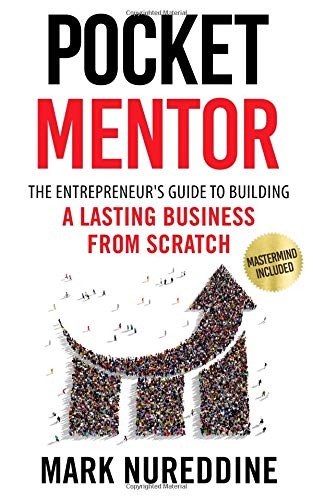
Mark Nureddine
Entrepreneur
Founder and CEO, Bull Outdoor Products
Author of Pocket Mentor
He expected a book to take years and doubted he would finish. With a team handling the work, he found the process swift, focused and fun. He later sent Alinka one of his grills as a thank-you, and it is still the centerpiece of her garden.
Who It Is For
Entrepreneurial publishing suits CEOs, founders, executives and advisors who want a book that builds authority and outlasts them, and who would rather own it than license it away. It works best for leaders with real expertise and limited time.
If you have ever said “I’ll write it when things slow down,” this model was built for you. Things do not slow down.
It is the wrong choice for anyone whose main goal is the lowest possible cost, or who values a traditional publisher’s name above control of the book.
Frequently Asked Questions
What is entrepreneurial publishing?
Entrepreneurial publishing is a way of publishing a book in which the author keeps full ownership, carries none of the operational work, and has a professional team take it from an idea or a manuscript all the way to launch.
How is entrepreneurial publishing different from hybrid publishing?
Hybrid publishing is the closest model, and both involve an author investing in the book. Hybrid publishers usually take a finished manuscript, share the royalties and measure success in copies sold. Entrepreneurial publishing can start from an idea, leaves the author with everything the book earns and treats the book as the springboard for a brand.
Is Leaders Brands a hybrid publisher?
Hybrid publishing is the closest comparison, with three differences. We can begin with only an idea, where hybrid publishers usually take finished manuscripts. Our authors own the book and everything it earns. And because we treat the book as the springboard for a brand, our work continues after the launch.
How is it different from self-publishing?
The author owns the book in both models. In self-publishing the author also does or manages all the work, and in entrepreneurial publishing a professional team does it.
How is it different from traditional publishing?
A traditional publisher funds the book and in return holds the rights and controls the title, cover and timing. In entrepreneurial publishing the author funds the book and keeps all of that.
Do I have to write the book myself?
You can, but most leaders prefer help. About half of our authors work with a ghostwriter, and others work with a book coach or build the manuscript from material they already have.
How much of my time does it take?
For a ghostwritten book, plan on 12 to 15 weekly interviews plus time to review drafts. Everything else is handled by the team. Most people spend longer than that thinking about starting.
How much does entrepreneurial publishing cost?
At Leaders Brands, engagements typically run from $16,000 to $50,000, depending on where your book stands today and the kind of launch you want.
Can my book be published in other countries?
Yes. If your book has international appeal, our foreign rights agent can pitch it to publishers overseas for translation and distribution in other languages.
Find Out If Your Book Is a Fit
Book a call with Alinka and the Leaders Brands team. In one conversation, we will evaluate your book idea, test its fit for the market and map out the process to bring it to life.
Book your callStill deciding? Read Your Book or Your Excuse by Alinka Rutkowska first.
Get Your Book or Your ExcuseYou’ll have a book or you’ll have an excuse. You can’t have both.
About Leaders Brands
Leaders Brands is a book ghostwriting, entrepreneurial publishing and personal branding firm for business leaders. Its co-founder, Alinka Rutkowska, is a USA Today and Wall Street Journal bestselling author who has helped 500+ leaders become published authors.